
 Español
 русский
 대한민국


Oil and gas titanium flanges do not usually fail because a project team has too many requirements. They become difficult when important requirements are left at “close enough.” A drawing detail is treated as a suggestion. A heat number is recorded but not connected to the part. A delivery date is quoted without breaking down the stages behind it.
In a demanding industrial project, precision is not a slogan. It is the habit of making each requirement clear before it becomes a production or installation problem.
A long project cycle makes small gaps expensive
Titanium flanges may be used around oil wells, manifolds and related piping where pressure, temperature, corrosive media and project duration all matter. The correct design depends on the actual conditions and project documents. The same word, titanium, cannot replace a controlled technical review.
When a project runs for months or involves several parties, the original quotation may pass through engineering, procurement, quality, inspection and site teams. Clear records help the product remain understandable as it moves through the project.
From the first German order to today
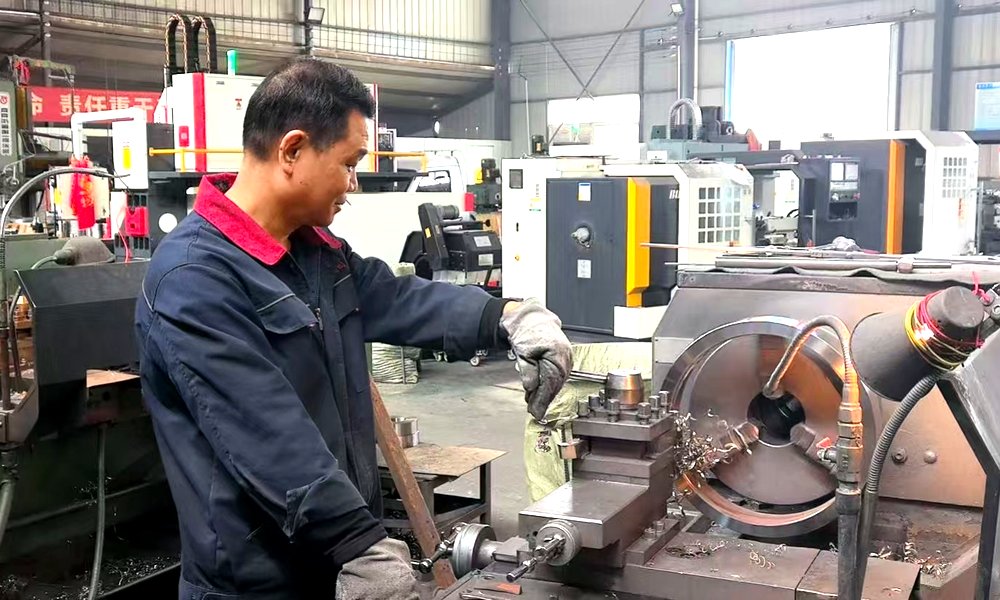
Lihua Titanium received its first international order in 2008: titanium weld neck flanges for a German customer. Since then, the company has continued to focus on the same practical challenge: making the path from drawing to delivered flange visible and verifiable.
The company describes its experience as 18 years in titanium flange manufacturing and positions its work around controlled production, quality management and technical communication. Those claims are meaningful only when they show up in the way an order is reviewed and documented.
Four habits that make a supplier easier to work with
1. Read the application before discussing the material
A responsible supplier begins with the service conditions, standard, drawing and inspection requirements. This creates a technical basis for discussing material and structure instead of making a generic promise based only on the product name.
2. Keep quality records attached to the part
Material certificates, heat numbers, part numbers, markings and inspection records should be mutually consistent. When a customer needs to review a component later, the documentation should provide a clear route back to the individual part.
3. Explain the delivery chain honestly
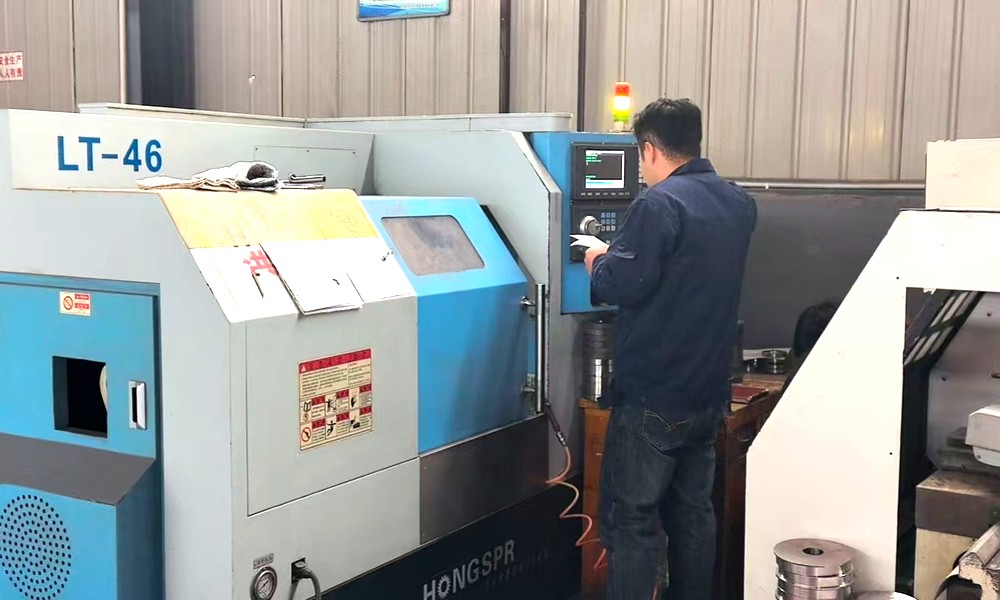
Material preparation, forging, machining, inspection, packing and transportation can all affect the final arrival date. Breaking the schedule into milestones makes it easier to identify risk early and coordinate with the project team.
4. Leave room for technical conversation
A drawing is the starting point for a quotation, not the end of the conversation. A useful supplier response also addresses manufacturability, schedule risks and possible alternatives when the project conditions require further review.
What international buyers can ask before placing an order
Can the supplier review the drawing, standard, material and service conditions together?
How will the supplier manage heat-number and part-level traceability?
Which inspection records and quality documents will be available?
Can the supplier support factory review, pre-shipment inspection or third-party inspection when required?
Which milestones control the proposed delivery date?
The real value is fewer unanswered questions
Oil and gas procurement will always involve discussion of price and delivery. The stronger project result comes from making the non-negotiable points explicit: material suitability, inspection, traceability, identification and schedule.
If you have a titanium flange drawing for an oil and gas application, share the drawing together with the medium, pressure, temperature, standard, quantity and inspection requirements. That information gives the supplier a basis for a more practical technical review and quotation.
Lihua Titanium: turning demanding service conditions into confirmable parameters, and project requirements into traceable titanium flanges.


